Shop Plants

Explore Ontario's native plants — click any card to learn more.

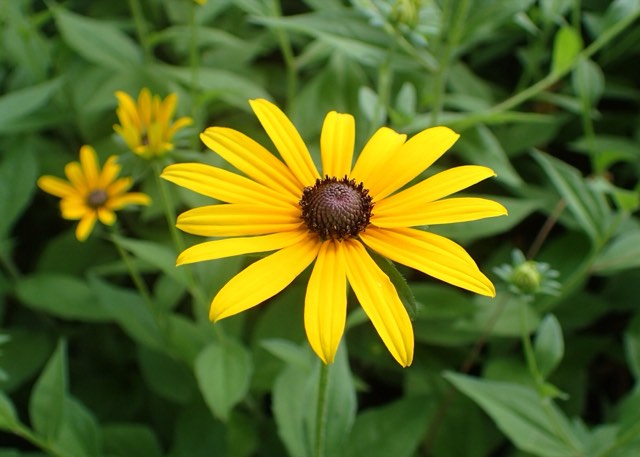
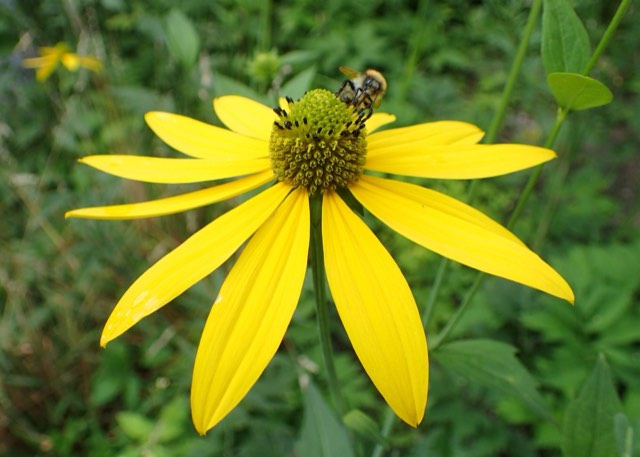
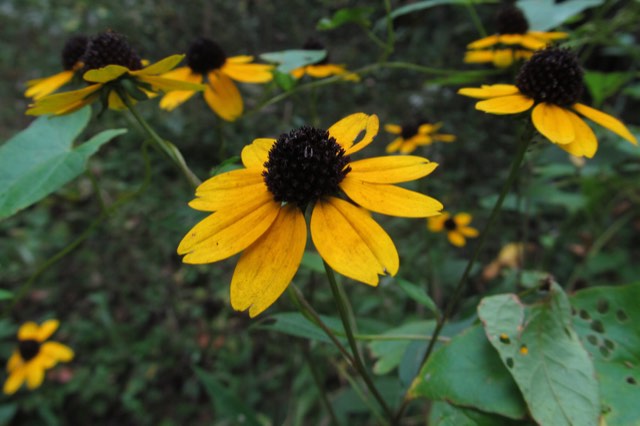
3-lobed Black-eyed Susan

3-lobed Black-eyed Susan

Rudbeckia triloba

Numerous small, golden-yellow flowers (about 1–2 inches wide) with dark, chocolate-brown central disks.
Perennial
24-60"
Prefers full sun to partial shade. It is more shade-tolerant than the common Black-eyed Susan (R. hirta).
Average though it is quite adaptable. It can handle clay, loamy, or slightly rocky soils and has moderate drought tolerance once established.
Yes

Because it blooms so late and so profusely, it is a vital nectar source for bees, wasps, and butterflies preparing for winter or migration. It supports several species of Andrena bees (mining bees) that specialize in the Asteraceae family. Like its relatives, it serves as a larval host for the Silvery Checkerspot butterfly.
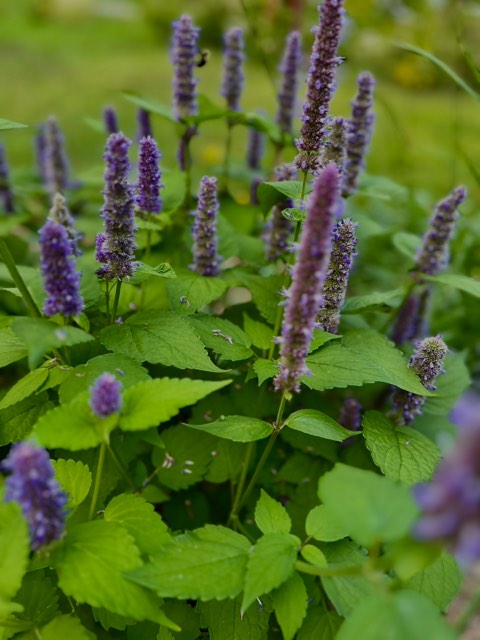
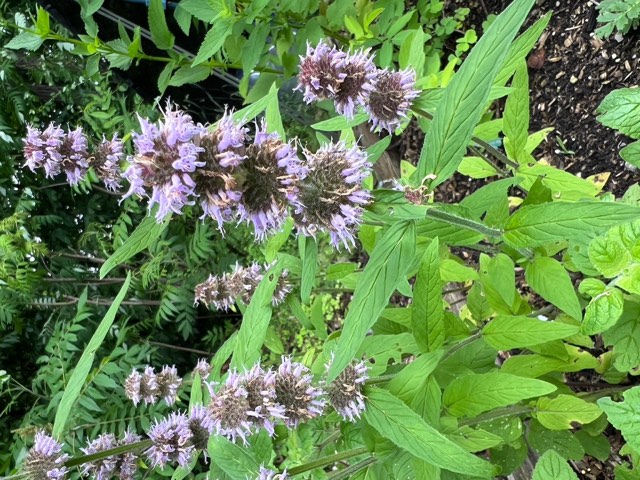
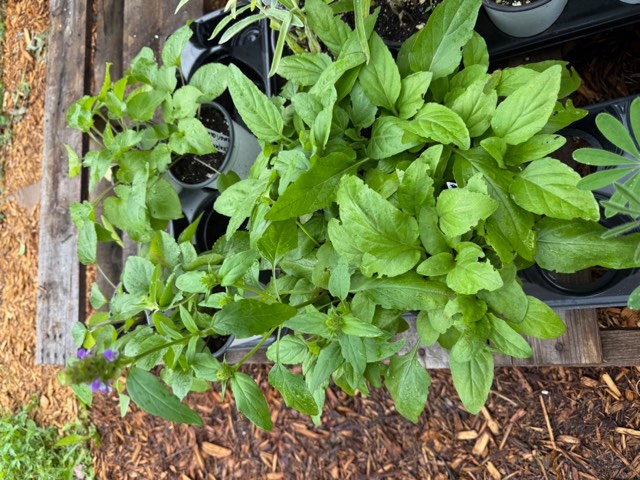
Anise Hyssop

Anise Hyssop

Agastache foeniculum

Purple
Perennial
24-48"
Full sun / part shade
Average to moderately dry
Yes

A pollinator magnet! Native bees, butterflies, hummingbirds. Birds will eat seeds from dead flower heads in winter

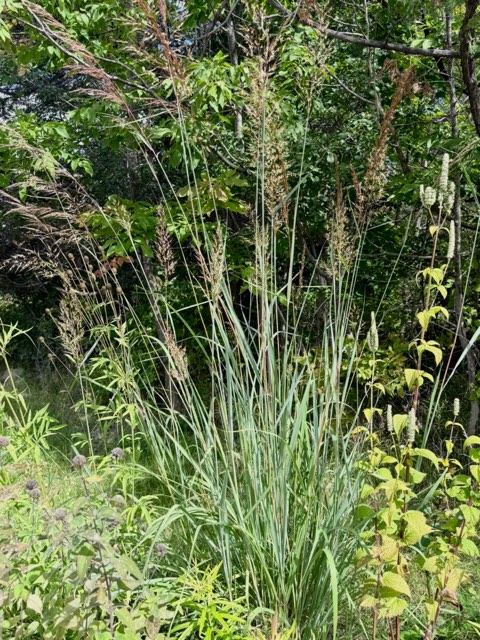
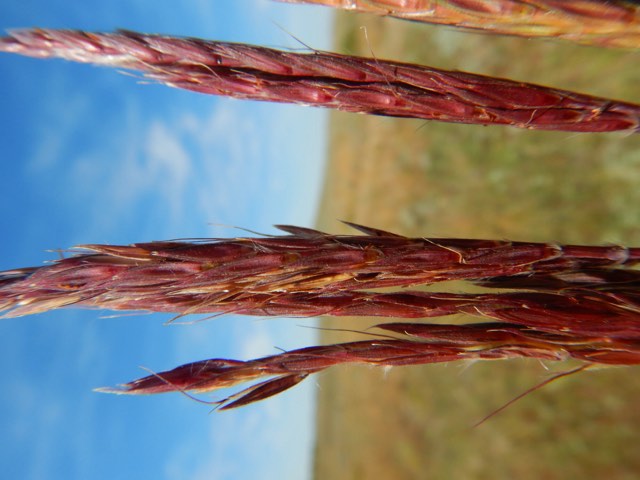
Big Bluestem Ontario Native

Big Bluestem

Andropogon gerardii

Glossy, purplish to reddish-bronze flower clusters. They split into a distinctive three-pronged shape that strongly resembles a turkey's foot.
Perennial
48-96"
Full sun. It can tolerate partial shade
Prefers dry to medium moisture.
Yes

A powerhouse for regional wildlife, serving multiple trophic levels.t is a vital food source for caterpillars of several native butterflies, including the Delaware Skipper and Dusted Skipper. At least 24 species of native songbirds rely on it. Large seedheads provide critical autumn and winter food for sparrows, wrens, and meadowlarks, while the dense foliage serves as high-quality nesting shelter. Its incredibly deep, fibrous root systems (reaching down up to 10 feet) naturally mitigate soil erosion.

Black-eyed Susan Ontario Native

Black-eyed Susan

Rudbeckia hirta

Bright yellow petals with a dark brown/black central cone
Perennial
12-36"
Full sun; tolerates light shade
Average to dry, drought tolerant once established
No

Supports a wide range of pollinators. Provides seeds for birds. Supports some generalist moth and butterfly larvae

Bottlebrush Grass Ontario Native

Bottlebrush Grass

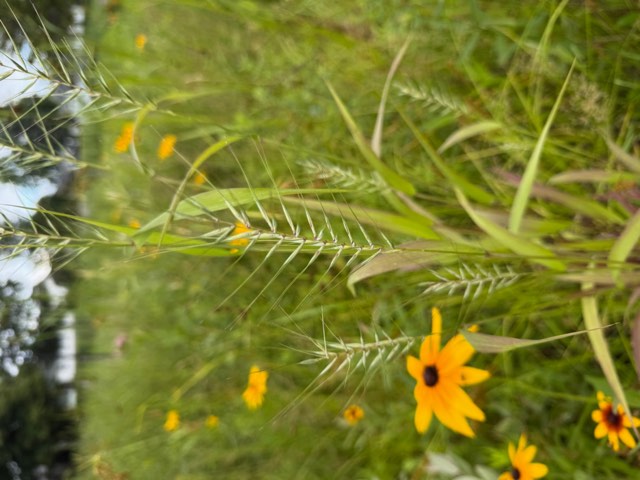
Elymus hystrix

Bright, pale green flower spikes that age to a beautiful straw-coloured tan or light brown by autumn
Perennial
24 - 48"
Partial sun / full shade. Unlike the sun-loving prairie giants, this grass is exceptionally shade-tolerant and thrives under a woodland canopy
Prefers dry to medium moisture. It handles dry woodland shade very well once its roots settle.
Yes

It is an incredibly vital larval host plant for the caterpillar stage of the Northern Pearly Eye butterfly, alongside several native woodland moths. Because it grows where other grasses cannot survive, it provides critical low-growing architectural cover and nesting structure for ground-nesting woodland birds and small amphibians. In late autumn and winter, local songbirds feed heavily on the grain-like seeds that cling to the rigid, upright stalks.

Canada Columbine Ontario Native

Canada Columbine

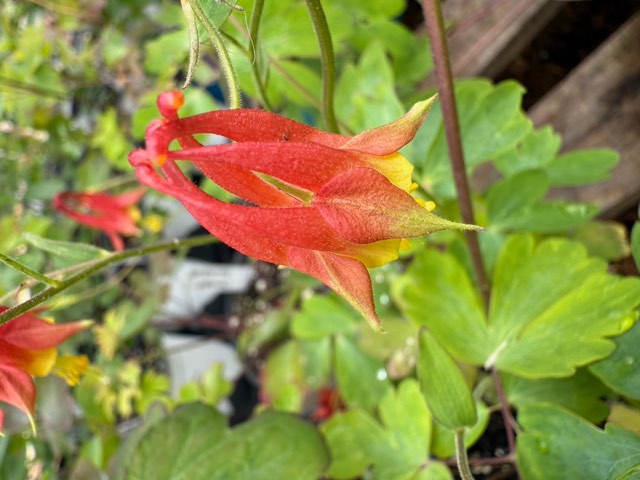
Aquilegia canadensis

Striking bicolour blooms with red spurs and yellow centres. The flowers hang downward like delicate bells.
Perennial
12-24"
Full sun / part shade
Average to dry
Yes

Important early nectar source for hummingbirds and bees

Canada Wild Rye Ontario Native

Canada Wild Rye

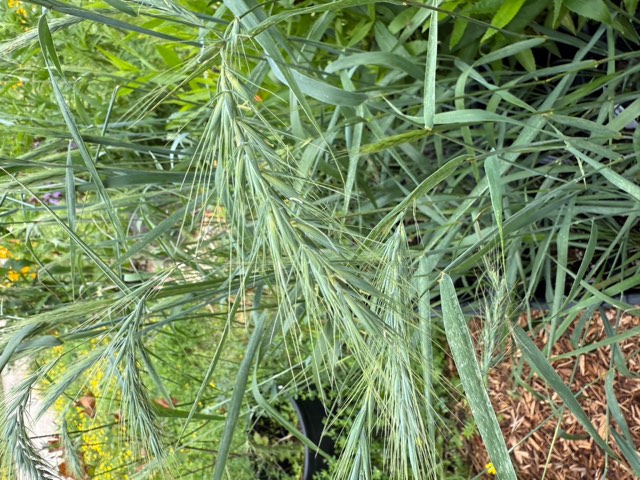
Elymus canadensis

Bristly, heavy greenish-gold flower spikes. As the season turns to autumn, the entire plant and its nodding heads fade to a handsome, bronzy, sandy tan
Perennial
24-60"
Full sun to partial shade. It tolerates a half-day of shade much better than many other prairie grasses
Highly versatile, growing in dry, medium, or moist soils. It tolerates both extreme drought and occasional high water levels near shorelines
Yes

The foliage serves as a larval host for several regional butterfly and moth species, including the Northern Pearly Eyebutterfly. It possesses a highly fibrous root system that makes it a superstar for erosion control. The large, nutrient-rich seed spikes are a primary food source for native songbirds, small mammals, and declining prairie species like the Bobolink. Because it is a cool-season grass, it greens up very early in the spring long before other native grasses wake up. This provides vital early cover for ground-nesting birds.

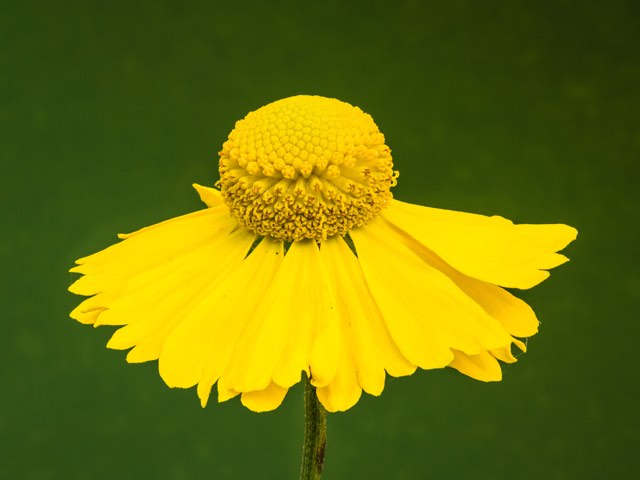
Common Sneezeweed Ontario Native

Common Sneezeweed

Helenium autumnale

Bright yellow daisy-like flowers
Perennial
24-48"
Full sun
Moist to wet organic soils; it is not drought-tolerant and is a perfect choice for rain gardens or pond edges.
Yes

Its late-season pollen and nectar are a vital lifeline for honeybees, bumblebees, and a massive array of native long-tongued and short-tongued bees preparing for winter. It serves as a critical larval host plant for several native insects, including the Dainty Sulphur butterfly (Nathalis iole), the Painted Lady butterfly (Vanessa cardui), and the Rigid Sunflower Borer moth.

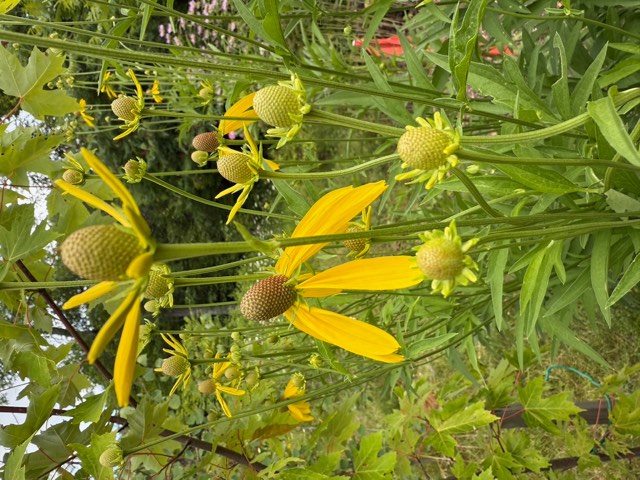
Cut-leaf Coneflower Ontario Native

Cut-leaf Coneflower

Rudbeckia laciniata

Bright yellow daisy-like flowers with distinctive, drooping petals surrounding a prominent pale green central cone that eventually turns brown as seeds ripen.
Perennial
36-72"
Full sun / full shade
Average to wet. It is naturally found in floodplains and along streambanks, so it appreciates consistent moisture and can even tolerate seasonal flooding.
Yes

Keystone species - is a powerhouse for biodiversity, attracting a wide variety of native bees, butterflies, and wasps for its nectar and pollen. Serves as a larval host for the Silvery Checkerspot butterfly and several moth species, including the Wavy-lined Emerald. : Its vigorous, rhizomatous root system is outstanding for stabilizing streambanks and preventing soil erosion in flood-prone areas.

Downy Wood Mint Ontario Native

Downy Wood Mint

Blephilia ciliata

Pale lavender to light purple
Perennial
12–24"
Full sun / part shade
Average to dry (very drought-tolerant once established)
Yes

Its flowers are a magnet for long-tongued and short-tongued bees, anthophorine bees, little carpenter bees, and leaf-cutting bees.

False Yellow Sorghum Ontario Native

False Yellow Sorghum

Sorghastrum nutans

Airy, feathery golden-yellow to bronze flower plumes highlighted by bright yellow stamens. The seedheads fade to a warm chestnut brown as winter approaches.
Perennial
36-60"
Full sun.
Prefers dry to medium moisture. It is highly versatile, adapting easily to anything from dry clay ridges to moist sandy soils, and possesses outstanding drought tolerance once its deep roots establish
Yes

It acts as a critical larval host plant for native skipper butterflies, including the Pepper and Salt Skipper, Ottoae Skipper, and Dusted Skipper. The heavy, dense seed plumes provide critical winter foraging for local songbirds long after other food sources have vanished.Leaving its rigid, tall vertical straw standing through the snow provides essential nesting structure, windbreaks, and cover for wildlife during harsh winters.

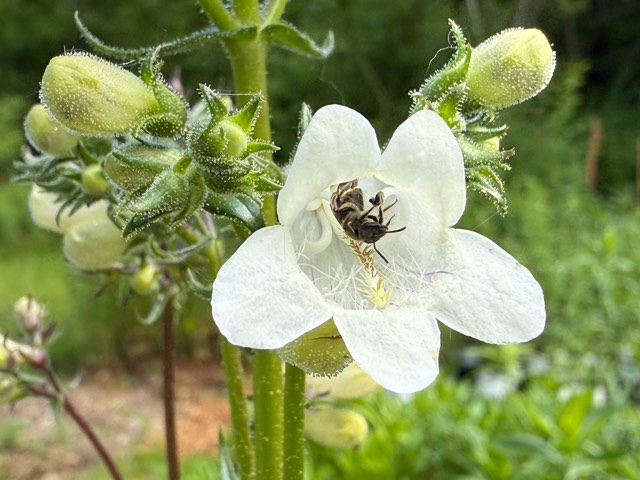
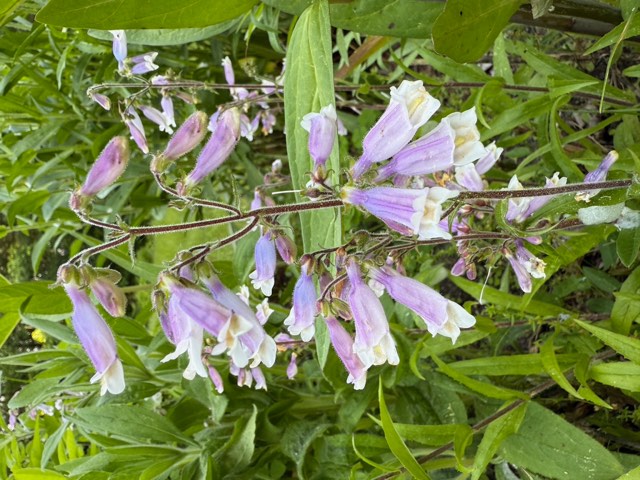
Foxglove Beardtongue Ontario Native

Foxglove Beardtongue

Penstemon digitalis

White
Perennial
24 - 36"
Full sun / part shade
Average to dry
Yes

Pollinator magnet, especially native bees!

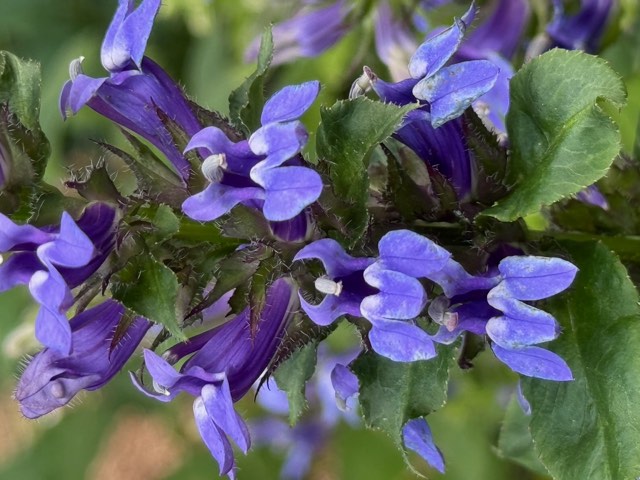
Great Blue Lobelia Ontario Native

Great Blue Lobelia

Lobelia siphilitica

Blue to purple
Perennial
24-36"
Full sun / part shade
Average to moderately wet
Yes

Hummingbird and pollinator magnet!

Grey-headed Coneflower Ontario Native

Grey-headed Coneflower

Ratibida pinnata

Yellow
Perennial
36-60"
Prefers full sun (at least 6 hours of direct light) but can tolerate partial shade.
Average to dry. It is exceptionally drought-tolerant and can thrive in clay, sand, or rocky environments.
Yes

Provides critical nectar and pollen for native bees, bumblebees, and butterflies. Serves as a larval host for the Silvery Checkerspot butterfly and various moths, including the Wavy-lined Emerald. Its deep, fibrous root system helps stabilize soil and prevent erosion.

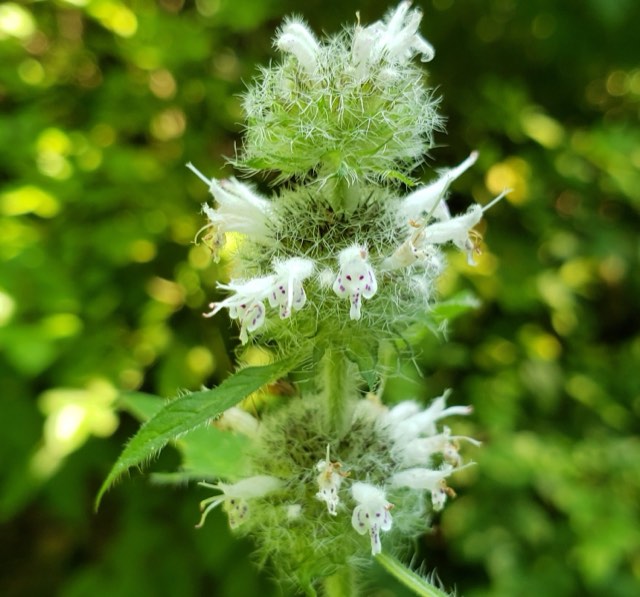
Hair Wood Mint Ontario Native

Hair Wood Mint

Blephilia hirsuta

White
Perennial
18–36"
Part sun / full shade
Average to moist.
Yes

High ecological value as a crucial late-summer pollinator resource for low-light habitats and a provider of vital nesting structures for native insects. The deep, tubular shape of the flowers is uniquely suited for specialist long-tongued bees. It heavily supports native species like mason bees, leaf-cutter bees, bumblebees, and little carpenter bees.

Hairy Beardtongue Ontario Native

Hairy Beardtongue

Penstemon hirsutus

Mauve & white
Perennial
18-24"
Full sun / full shade
Moderately dry to moderately wet
Yes

Pollinator magnet, especially native bees!

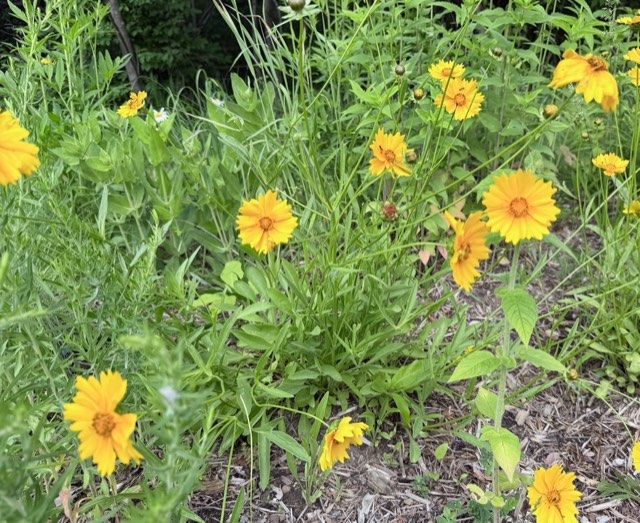
Lance-leaved Coreopisis Ontario Native

Lance-leaved Coreopisis

Coreopsis lanceolata

Bright, sunny, yellow flowers with distinctively notched edges on the petals.
Perennial
12-36"
Prefers full sun (at least 6 hours of direct light). It can handle very light shade, but too much shade makes the stems weak and floppy.
Average to dry. It is exceptionally drought-tolerant and actually prefers poor, sandy, or rocky soils over rich, heavy garden soil.
Yes

It is a high-value plant for native bees (including sweat bees and leafcutter bees) and attracts numerous butterflies and hoverflies. It serves as a larval host for several species of moths, including the Common Tan Wave. Because it can grow in poor, sandy soils where other plants struggle, it is excellent for stabilizing slopes and sandy banks.

Lance-leaved Heal All Ontario Native

Lance-leaved Heal All

Prunella vulgaris var. lanceolata

Violet to purple
Perennial
4-12"
Full sun / part shade
Average to dry
No

Great pollinator plant, especially for native bees. Provides consistent nectar over a long bloom period.

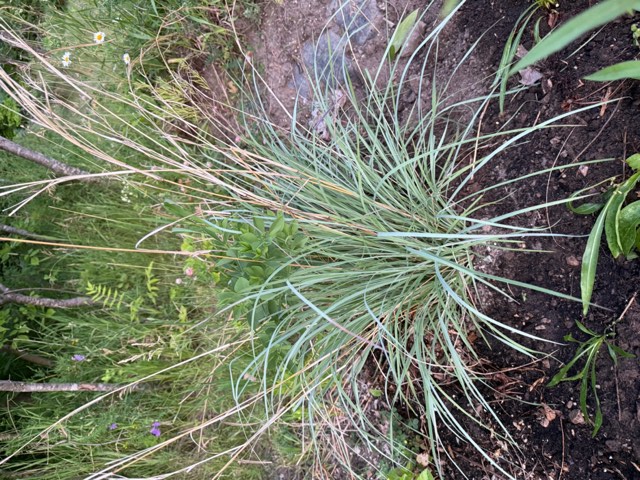
Little Bluestem Ontario Native

Little Bluestem

Schizachyrium scoparium

Purplish-bronze flower spikes
Perennial
12-36"
Requires full sun. It is highly shade-intolerant; too much shade or overly rich soil causes its stiff stems to lose their structure and flop over.
Average to dry soils
Yes

Larval host plant for several butterfly species. Its fuzzy, high-energy seed heads remain standing high above the snow line through the winter. This provides a vital winter food supply for native songbirds like juncos, finches, and various sparrows.

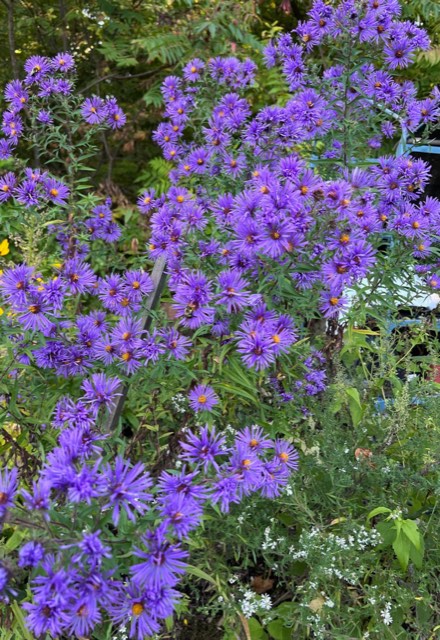
New England Aster Ontario Native

New England Aster

Symphyotrichum novae-angliae

Deep purple to lavender-pink with bright yellow-orange centres that turn reddish-purple with age
Perennial
24-48"
Full sun but can tolerate light or partial shade.
Medium to moist. While it prefers damp areas like meadows and stream banks, it is surprisingly adaptable to various soil types, including clay and sandy loam, once established.
Yes

Keystone Pollinator Support: It is a critical late-season nectar source for migrating Monarch butterflies and a variety of native bees and skippers preparing for winter. Larval Host: It serves as a host plant for over 100 species of butterflies and moths, including the Pearl Crescent and various checkerspot butterflies.

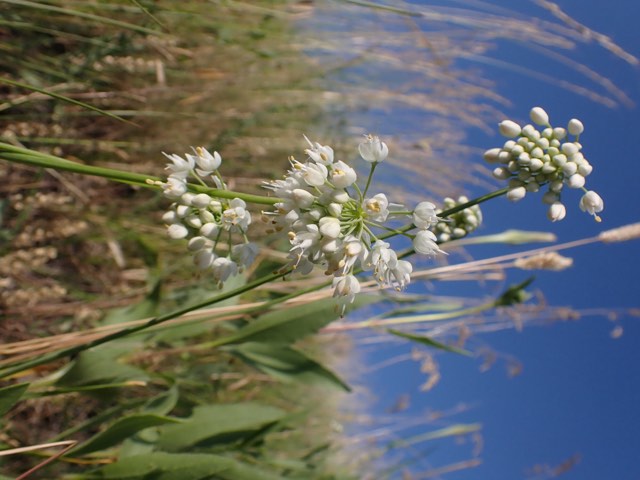
Nodding Onion Ontario Native

Nodding Onion

Allium cernuum

White to pale lavender
Perennial
24 - 36"
Full sun / part shade
Average to dry
Yes

Valuable late-season nectar source, when fewer plants are blooming

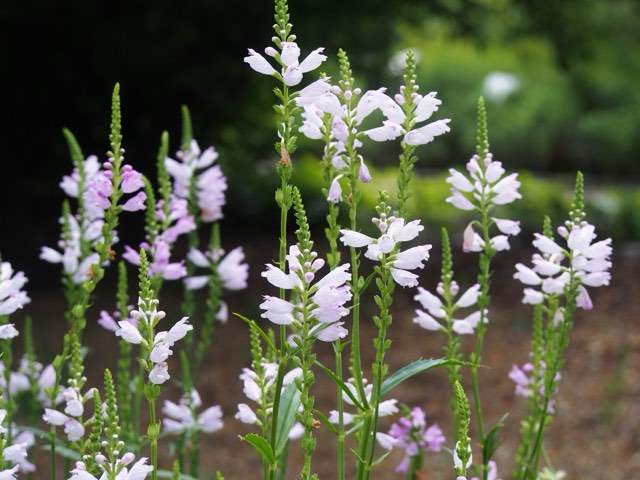
Obedient Plant Ontario Native

Obedient Plant

Physostegia virginiana

Pink, lavender, or white
Perennial
24-48"
Full sun / part shade. It may get "floppy" and need staking or Chelsea Chop in too much shade.
Prefers medium to wet soil. It loves consistent moisture and is quite happy in clay or boggy areas, though it can tolerate average garden soil.
Yes

Hummingbird and pollinator magnet (especially long-tongued bees like bumblebees). Important source of nector for Monarch and Sulphur butterflies.

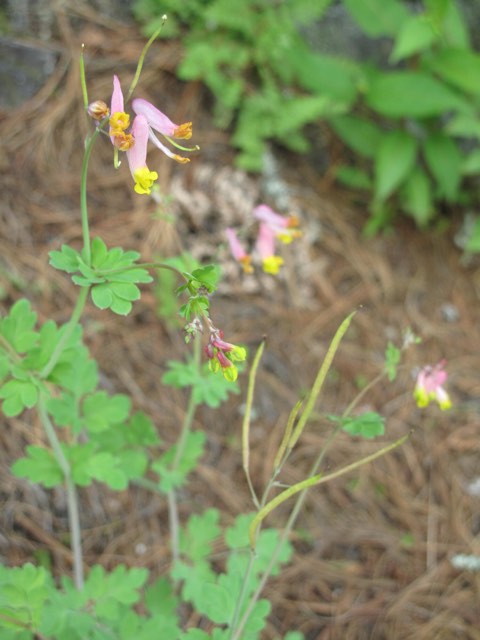
Pale Corydalis Ontario Native

Pale Corydalis

Capnoides sempervirens

Pink & yellow
Perennial
12-36"
Full sun / part shade
Average to very dry
Yes

Pioneer species, meaninig it is one of the first plants to colonize "disturbed" areas, such as recently burned forests or rocky clearings. It provides immediate erosion protection while its non-competitive nature allows other native plants to naturally succeed it over time. The highly fragrant mint oils in the foliage function as an aromatic pest confuser. The powerful scent masks the smell of neighbouring plants, making it harder for destructive garden pests to track down nearby vegetation

Pale Purple Coneflower Ontario Native

Pale Purple Coneflower

Echinacea pallida

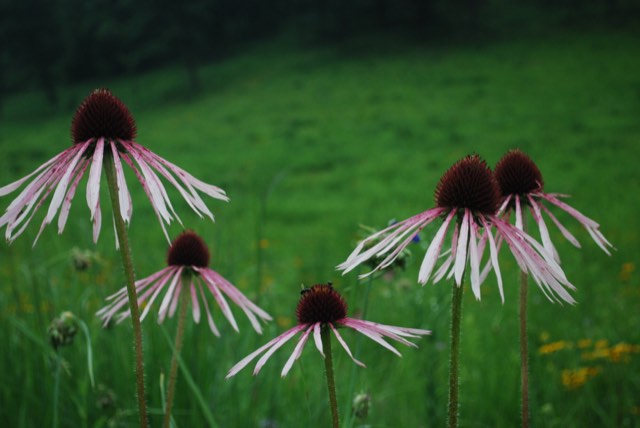
Pale pink to lavender-purple flowers with long, narrow petals that droop downward from a coppery-orange central cone.
Perennial
36-60"
Full sun
Average to dry. Its deep taproot makes it one of the most drought-hardy perennials for sunny spots.
Yes

It is a critical early-summer nectar source for bumblebees, honeybees, and butterflies. It serves as a larval host for the Silvery Checkerspot butterfly and provides food for the Ottoe Skipper, an endangered butterfly in Canada. : The deep taproot helps aerate compacted soil and improves water infiltration.

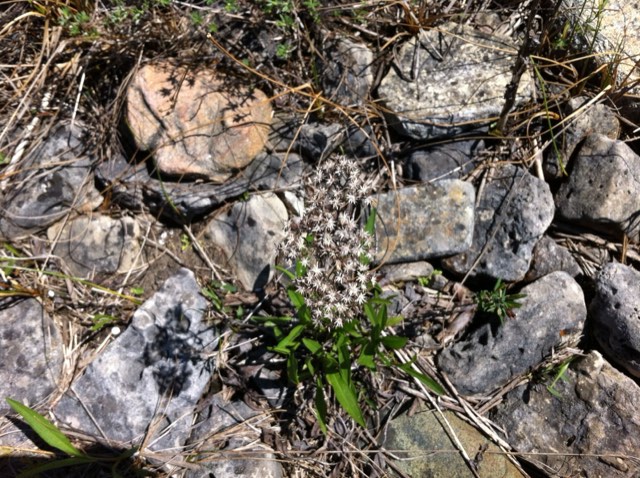
Pearly Everlasting Ontario Native

Pearly Everlasting

Anaphalis margaritacea

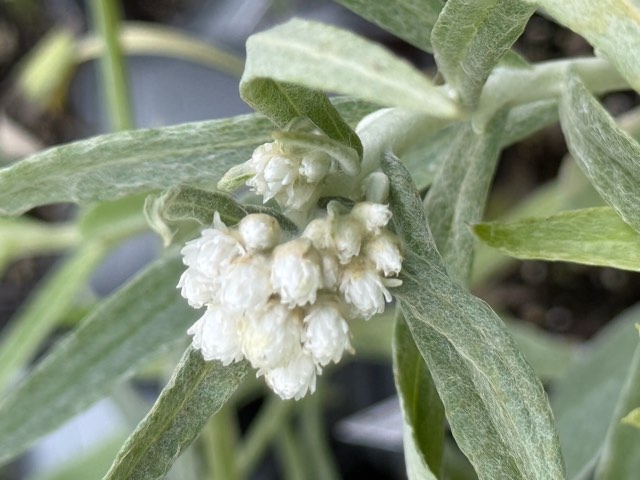
White bracts with yellow centers (the "petals" are actually tough, dry, pearl-white bracts surrounding tiny yellow center discs)
Perennial
12–24"
Full sun / part shade (It produces the most compact, silver-dense growth when grown in full sun.)
Average to dry (It is extremely drought-tolerant and functions exceptionally well in poor, sandy, gravelly, or stony soils where other plants fail. It spreads via underground rhizomes but controls its own growth in highly dry locations.)
Yes

It serves as a primary larval host plant for both the American Lady (Vanessa virginiensis) and Painted Lady (Vanessa cardui) butterflies. The caterpillars feed on the woolly leaves and weave them together with silk to create protective larval "tents".

Prairie Coneflower

Prairie Coneflower

Ratibida columnifera

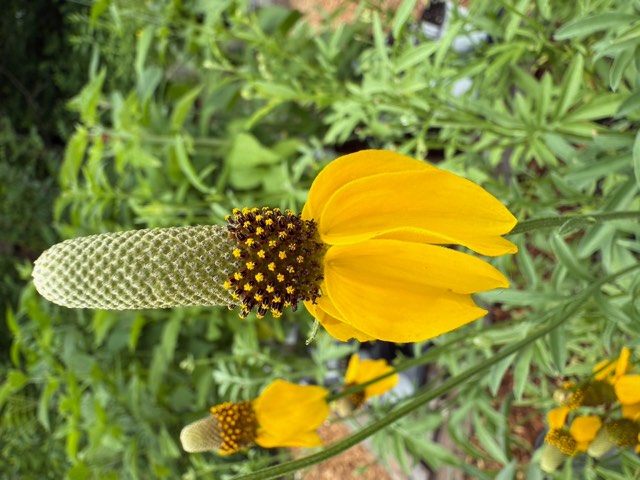
Yellow (can be dark red, or bi-colour (red-brown at the base and yellow at the ends) surrounding a long, dark-brown central disk.)
Perennial
12-36"
Prefers full sun for sturdy growth and prolific flowering, though it can tolerate light shade.
Average to dry - is highly drought-tolerant due to its deep taproot but adapts well to a variety of well-drained soils, including clay and sandy loam.
Yes

Recognized as a favorite for large numbers of native beesand butterflies. Its long bloom season provides a steady supply of nectar and pollen. Serves as a larval host for the Dainty Sulphur butterfly. Due to its deep taproot and resilience, it is frequently used for soil stabilization and land reclamation in disturbed sites.
Prairie Dropseed Ontario Native

Prairie Dropseed

Sporobolus heterolepis

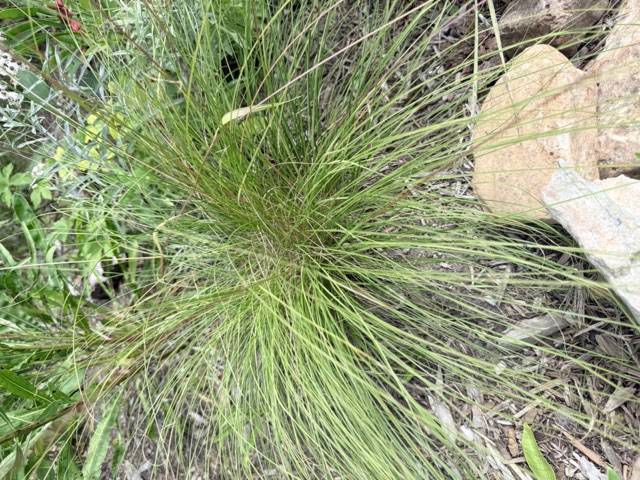
Highly unique, open-branching panicles in shades of pinkish-brown, gold, and green
Perennial
12-16" (flower stalks stand 24-36")
Full sun
Prefers dry to medium moisture. It is exceptionally drought-tolerant and heat-tolerant due to its deep root system, and thrives in rocky or lean soil.
Yes

True to its name, its tiny, round, nutritious seeds "drop" straight to the base of the clump in autumn. This creates a vital autumn and winter feeding ground for ground-foraging native songbirds like sparrows and juncos. t provides crucial larval food for several rare or declining native prairie butterflies, specifically the Leonard’s Skipper and the Dusted Skipper. Its fine-textured roots tolerate heavy clay, road salt, and drought, making it an excellent native choice for borders along driveways or problematic rocky slopes.

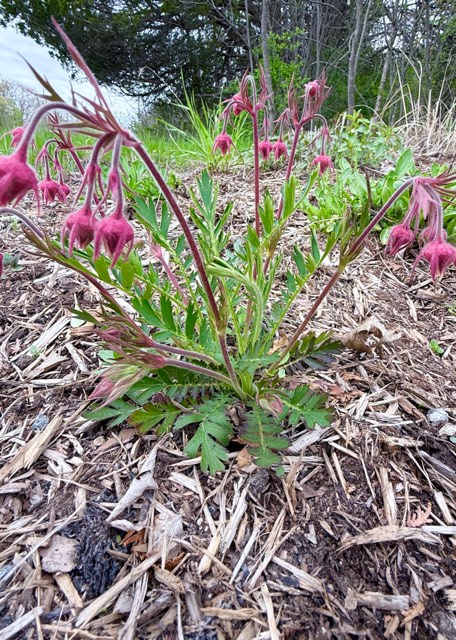
Prairie Smoke Ontario Native

Prairie Smoke

Geum triflorum

Red to pink
Perennial
12"
Full sun / part shade
Average to moderately dry
Yes

An early blooming flower for pollinators

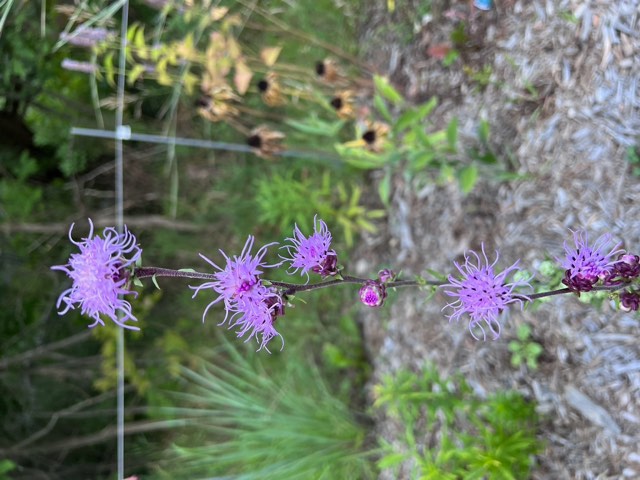
Rough Blazing Star Ontario Native

Rough Blazing Star

Liatris aspera

Purple to lavender (occasionally pinkish)
Perennial
24–48"
Full sun to very light shade
Average to dry (It is exceptionally drought-tolerant, naturally thriving in sandy, rocky, and poor nutrient-deficient soils. It cannot tolerate waterlogged winter conditions.)
Yes

Outstanding nectar plant for butterflies (especially Monarch butterflies during migration). Attracts native bees and beneficial insects. Seeds eaten by birds. It is a preferred food source for Tiger Swallowtails, Clouded Sulphurs, Painted Ladies, and Red Admiral.

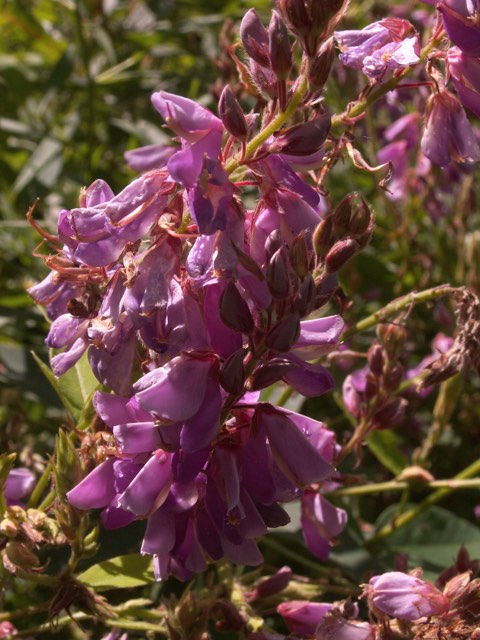
Showy Tick Trefoil Ontario Native

Showy Tick Trefoil

Desmodium canadense

Pink to rosy-purple
Perennial
24–60"
Full sun / part shade
Average, but may tolerate some dry conditions once estabblished
No

Hosts caterpillars of several skipper butterflies (e.g., Silver-spotted Skipper). Nitrogen-fixing legume → improves soil fertility Excellent nectar source for native bees and butterflies Seeds eaten by birds and small mammals

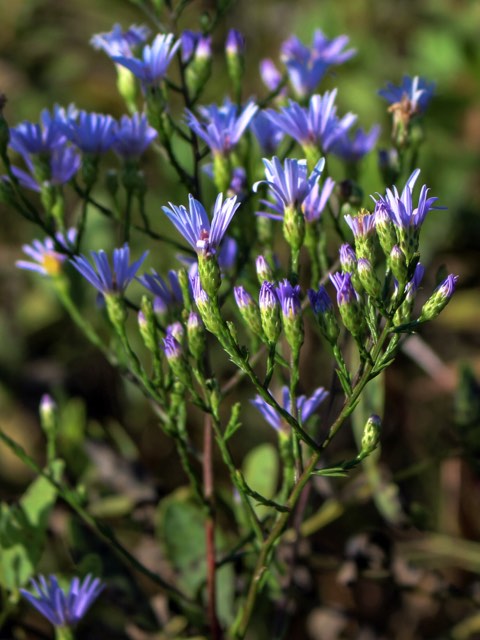
Sky Blue Aster Ontario Native

Sky Blue Aster

Symphyotrichum oolentangiense

Light purple
Perennial
24 - 36"
Full sun / part shade
Average to dry
Yes

An important source of nectar for Monarch butterflies and other insects in the fall

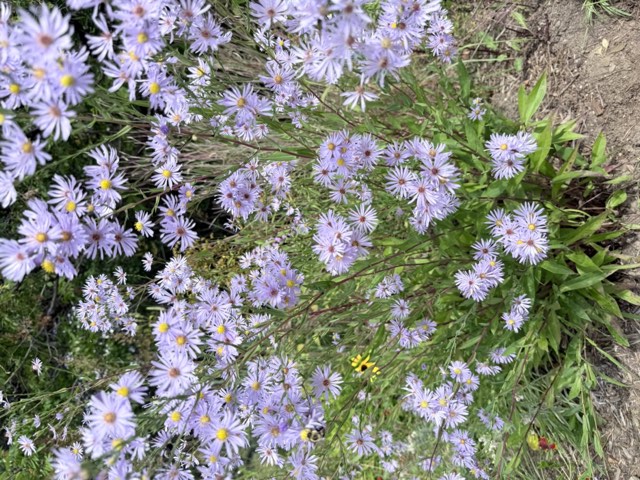
Smooth Blue Aster Ontario Native

Smooth Blue Aster

Symphyotrichum laeve

Lavender-blue to violet with yellow centers
Perennial
24–48"
Full sun / part shade
Average to dry (very drought-tolerant once established). It is highly versatile and handles sand, loam, and heavy clay loam well, provided it has good drainage. It is extremely drought-tolerant.
Yes

Hosts many specialist and generalist species, including: Pearl Crescent butterfly, Silvery Checkerspot. Numerous moth species (asters are major larval hosts).

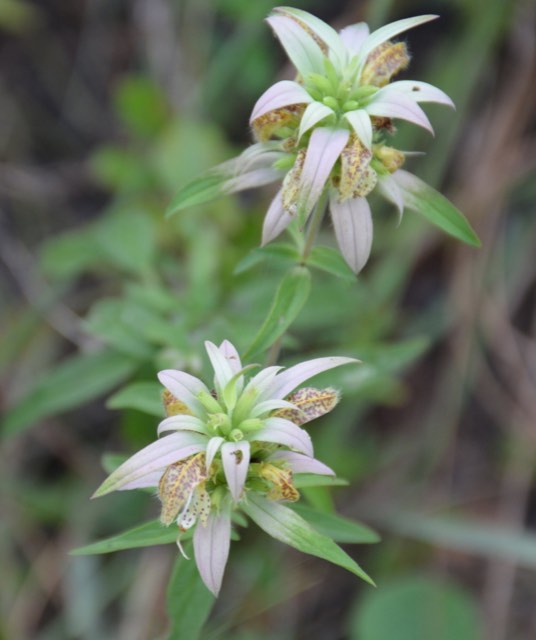
Spotted Bee Balm Ontario Native

Spotted Bee Balm

Monarda punctata

Pale yellow flowers with purple spots. Surrounded by showy pink to lavender bracts (often mistaken for petals)
Perennial
12-36"
Full sun
Medium to dry. Drought tolerant when established
Yes

Important for the beebalm digger bee, Monarda punctata specialist bee (Dufourea monardae)

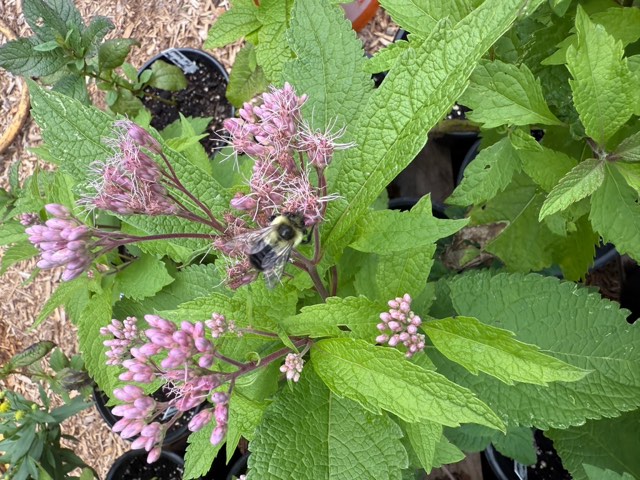
Spotted Joe Pye Weed Ontario Native

Spotted Joe Pye Weed

Eutrochium maculatum

Dusty pink to mauve-purple (in large dome-shaped clusters)
Perennial
48–84"
Full sun / part shade
Average to wet (thrives in boggy spaces, riverbanks, and rain gardens, though it can adapt to average, organic garden soil provided it does not completely dry out.)
Yes

Exceptional nectar source for butterflies (especially monarchs), bees, and other pollinators. The foliage hosts nearly three dozen species of moths and butterflies. It is a critical host plant for the caterpillars of the Ruby Tiger Moth (Phragmatobia fuliginosa), Clymene Moth, and the Blazing Star Borer Moth.

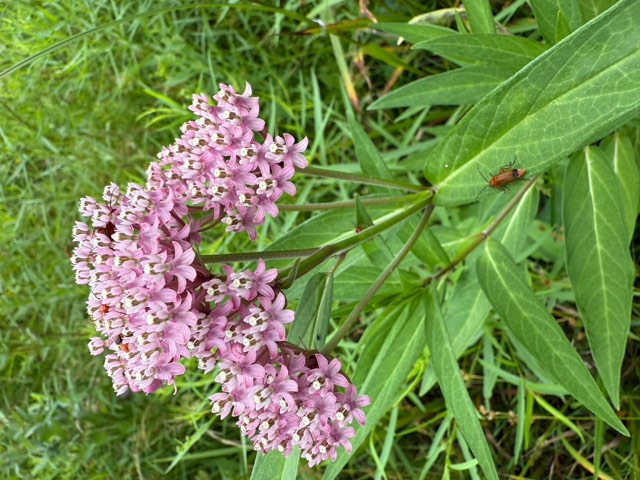
Swamp Milkweed Ontario Native

Swamp Milkweed

Asclepias incarnata

Pink to rosy-mauve
Perennial
36–60"
Full sun / part shade
Average to wet (prefers consistently moist soil; tolerates occasional flooding)
Yes

One of the most important plants for monarch conservation. Critical host for: Monarch butterfly (Danaus plexippus), Queen butterfly (less common in the north). Also supports milkweed tussock moth and other specialist insects. It heavily supports honeybees, bumblebees, swallowtail butterflies, and hummingbirds.

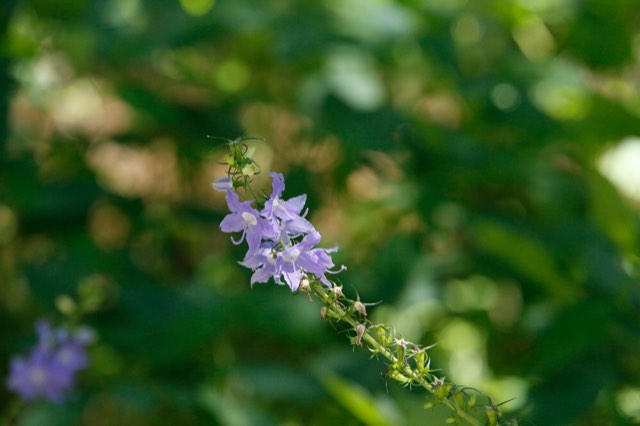
Tall Bellflower Ontario Native

Tall Bellflower

Campanulastrum americanum

Light blue to violet
Perennial
24–72"
Full / part shade. It can tolerate full sun only in cooler climates if the soil remains constantly damp
Moist to medium wet. It thrives in rich, organic, well-draining soils that do not dry out completely.
Yes

Excellent nectar source for native bees, especially long-tongued bees. It is a vital food source for the bellflower resin bee (Megachile campanulae). This oligolectic, long-tongued bee exclusively visits plants within the Campanula genus to harvest pollen.

Upland White Goldenrod Ontario Native

Upland White Goldenrod

Oligoneuron album (formerlh called Solidago ptarmicoides)

White daisy-like flowers with creamy or pale yellow centres
Perennial
12-24"
Full sun but can tolerate light shade
Average to dry conditions
Yes

Keystone species - It is a critical larval host plant, supporting the caterpillars of over 100 species of moths and butterflies. Provides late season nectar for Monarch butterflies and pollinators. Nearly 40 species of specialist bees that rely exclusively on their specific pollen to provision their nests for the next generation. The deep, fibrous root system is exceptionally effective at preventing soil erosion and improving soil structure in rocky or sandy

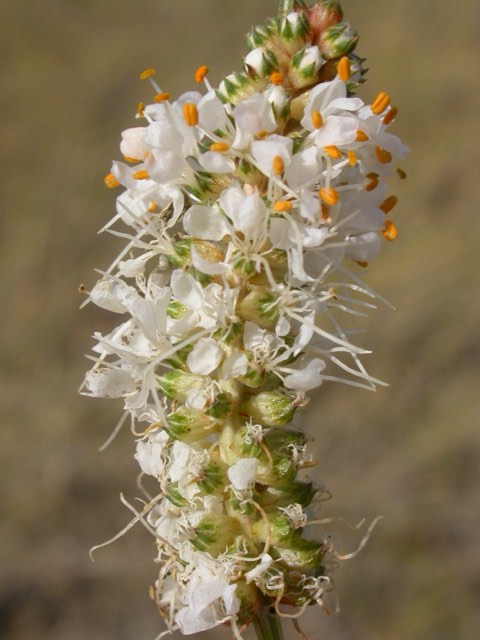
White Prairie Clover Ontario Native

White Prairie Clover

Dalea candida

White
Perennial
12-36"
Full sun but can tolerate light or partial shade.
Average to dry soils. It has a deep taproot (reaching up to 5 feet deep) that makes it exceptionally drought-tolerant once established.
No

As a legume, it has a symbiotic relationship with soil bacteria that allows it to "fix" atmospheric nitrogen into the soil. This acts as a natural fertilizer for surrounding plants. Provides high-quality nectar and pollen for native bees, including specialist bees, as well as butterflies and wasps. Host for several butterfly species.

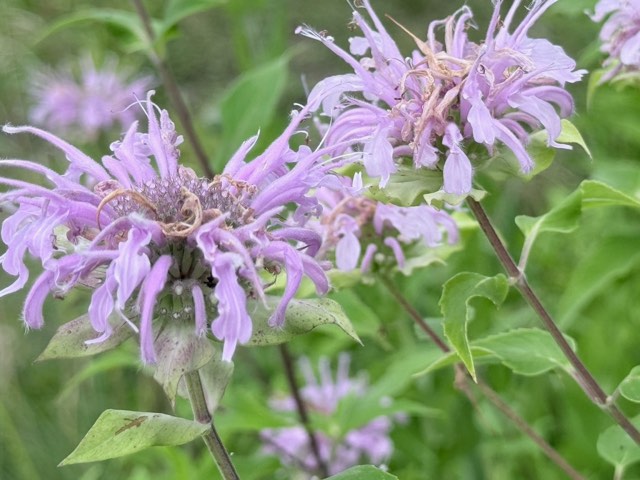
Wild Bergamot Ontario Native

Wild Bergamot

Monarda fistulosa

Mauve to pink
Perennial
24-48"
Full sun / part shade
Average to dry
Yes

Pollinator magnet, especially native bees!

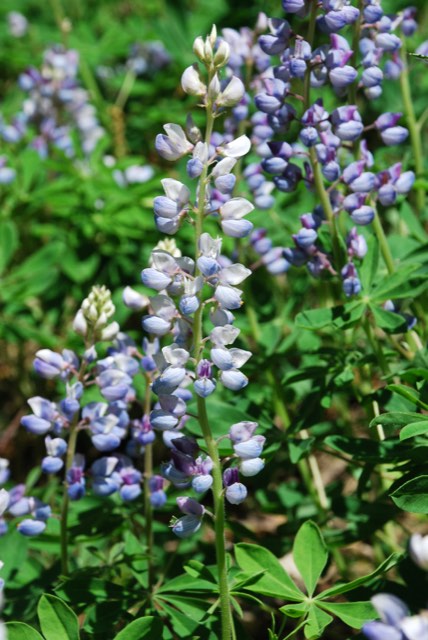
Wild Lupine Ontario Native

Wild Lupine

Lupinus perennis

Blue to violet-blue
Perennial
12-24"
Full sun; tolerates light shade
Average to dry
No

Important early-season pollinator plant. As a legume, it fixes nitrogen, improving soil fertility. Especially critical species in oak savanna and sand barren ecosystems
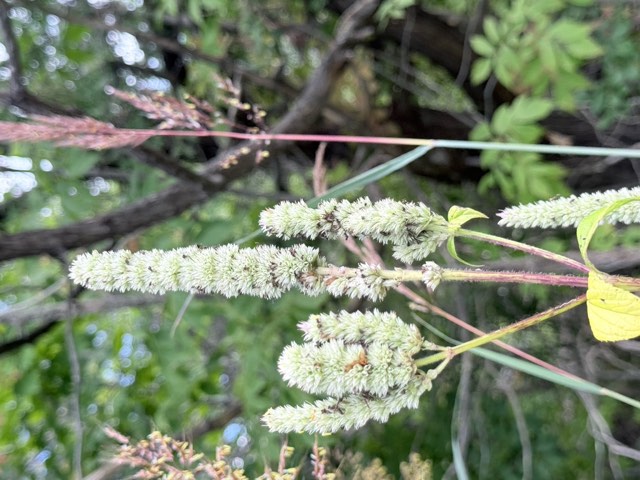
Yellow Giant Hyssop Ontario Native

Yellow Giant Hyssop

Agastache nepetoides

Cream, greenish-white
Perennial
36-72"
Full sun / part shade
Average to moist
Yes

Attractict to native bees and other insects. Birds love seeds from dead flower heads.