Shop Plants

Explore Ontario's native plants — click any card to learn more.

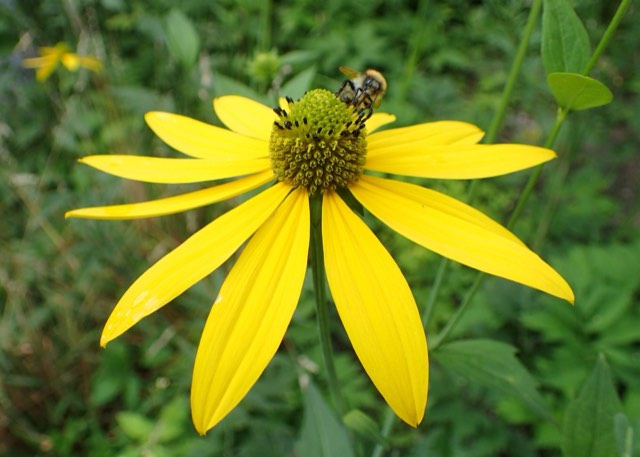
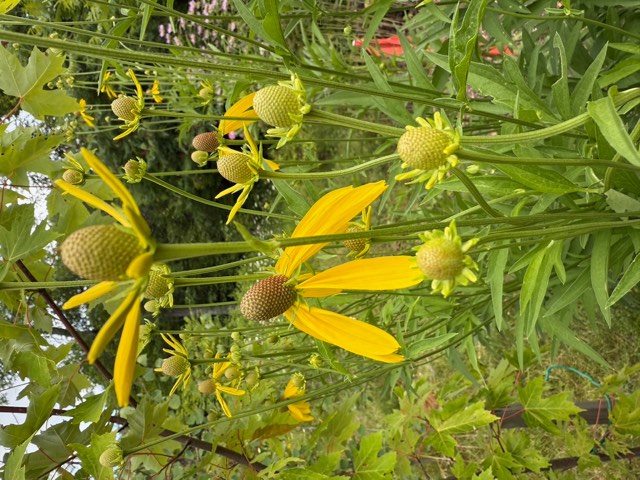
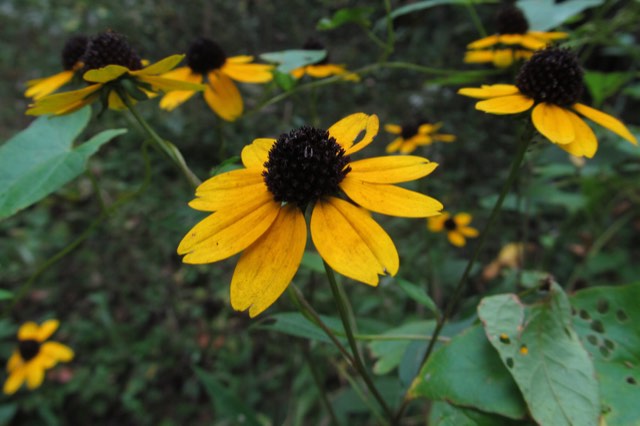
3-lobed Black-eyed Susan

3-lobed Black-eyed Susan

Rudbeckia triloba

Numerous small, golden-yellow flowers (about 1–2 inches wide) with dark, chocolate-brown central disks.
Perennial
24-60"
Prefers full sun to partial shade. It is more shade-tolerant than the common Black-eyed Susan (R. hirta).
Average though it is quite adaptable. It can handle clay, loamy, or slightly rocky soils and has moderate drought tolerance once established.
Yes

Because it blooms so late and so profusely, it is a vital nectar source for bees, wasps, and butterflies preparing for winter or migration. It supports several species of Andrena bees (mining bees) that specialize in the Asteraceae family. Like its relatives, it serves as a larval host for the Silvery Checkerspot butterfly.
Black-eyed Susan Ontario Native

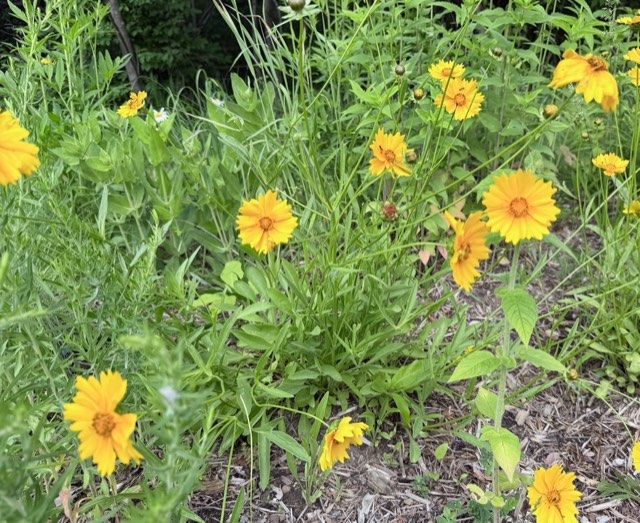
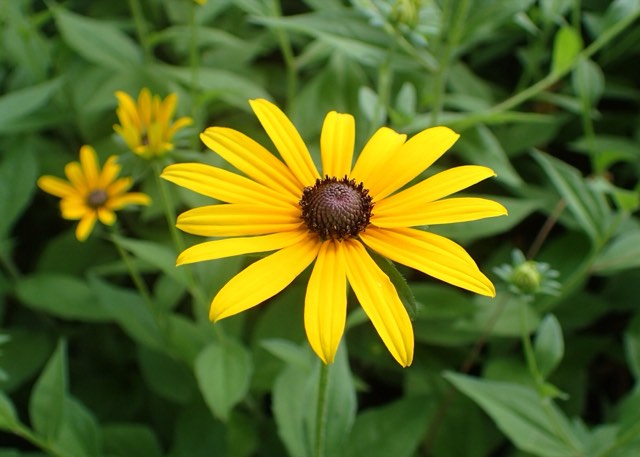
Black-eyed Susan

Rudbeckia hirta

Bright yellow petals with a dark brown/black central cone
Perennial
12-36"
Full sun; tolerates light shade
Average to dry, drought tolerant once established
No

Supports a wide range of pollinators. Provides seeds for birds. Supports some generalist moth and butterfly larvae

Pale Purple Coneflower Ontario Native

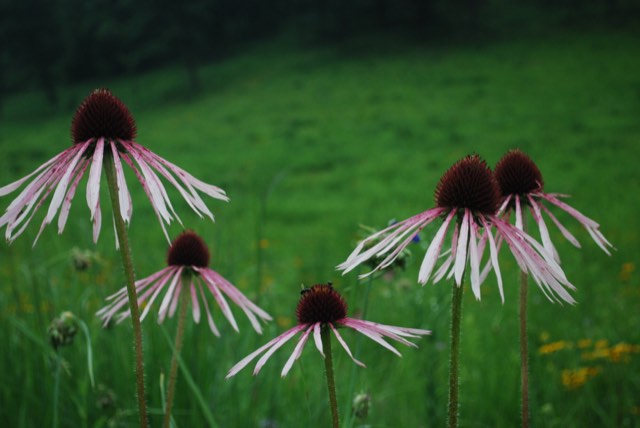
Pale Purple Coneflower

Echinacea pallida

Pale pink to lavender-purple flowers with long, narrow petals that droop downward from a coppery-orange central cone.
Perennial
36-60"
Full sun
Average to dry. Its deep taproot makes it one of the most drought-hardy perennials for sunny spots.
Yes

It is a critical early-summer nectar source for bumblebees, honeybees, and butterflies. It serves as a larval host for the Silvery Checkerspot butterfly and provides food for the Ottoe Skipper, an endangered butterfly in Canada. : The deep taproot helps aerate compacted soil and improves water infiltration.