Shop Plants

Explore Ontario's native plants — click any card to learn more.

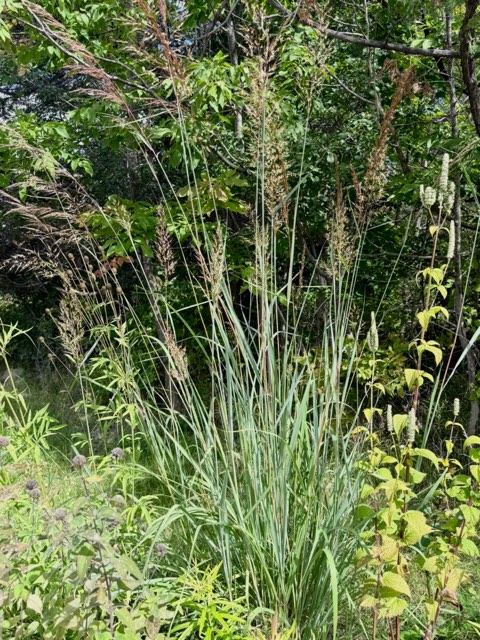
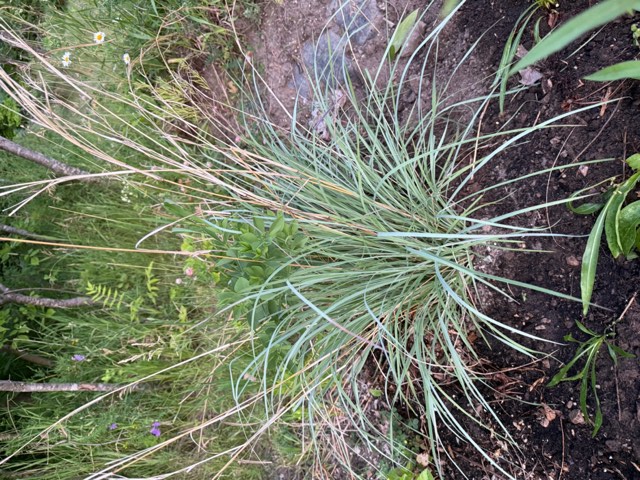
Big Bluestem Ontario Native

Big Bluestem

Andropogon gerardii

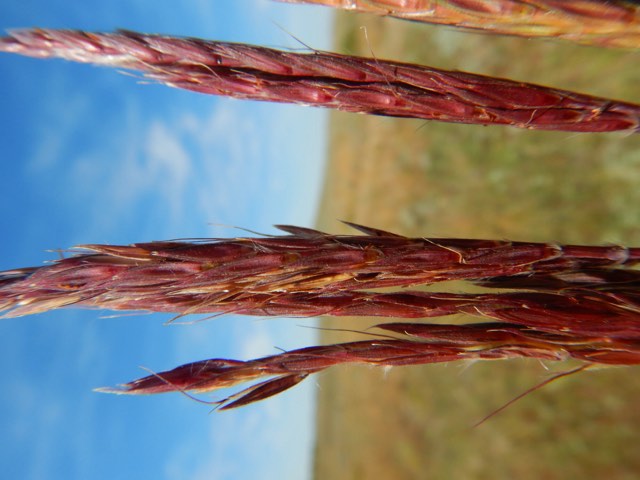
Glossy, purplish to reddish-bronze flower clusters. They split into a distinctive three-pronged shape that strongly resembles a turkey's foot.
Perennial
48-96"
Full sun. It can tolerate partial shade
Prefers dry to medium moisture.
Yes

A powerhouse for regional wildlife, serving multiple trophic levels.t is a vital food source for caterpillars of several native butterflies, including the Delaware Skipper and Dusted Skipper. At least 24 species of native songbirds rely on it. Large seedheads provide critical autumn and winter food for sparrows, wrens, and meadowlarks, while the dense foliage serves as high-quality nesting shelter. Its incredibly deep, fibrous root systems (reaching down up to 10 feet) naturally mitigate soil erosion.
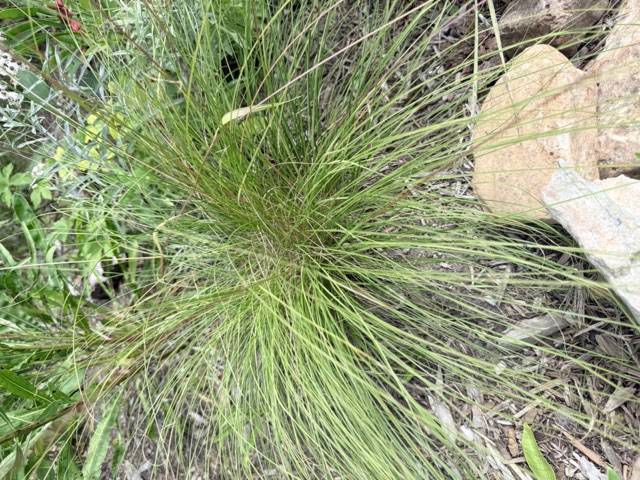
Canada Wild Rye Ontario Native

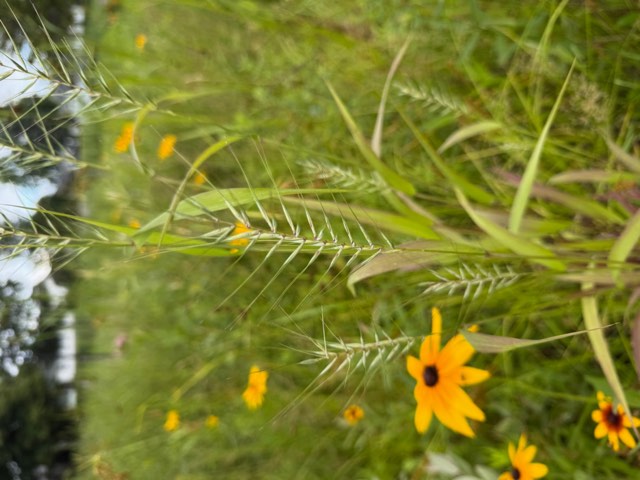
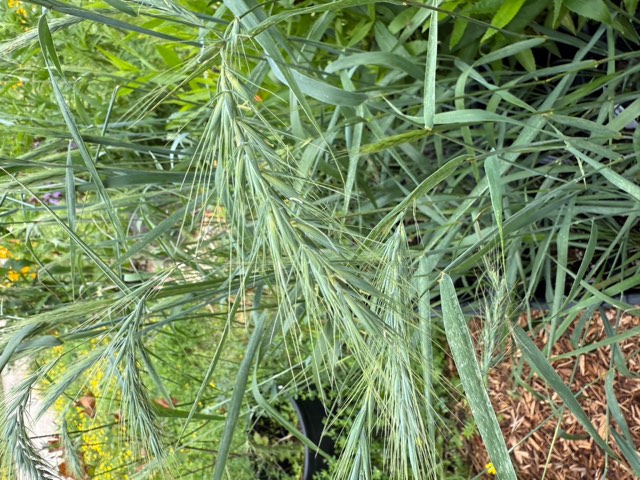
Canada Wild Rye

Elymus canadensis

Bristly, heavy greenish-gold flower spikes. As the season turns to autumn, the entire plant and its nodding heads fade to a handsome, bronzy, sandy tan
Perennial
24-60"
Full sun to partial shade. It tolerates a half-day of shade much better than many other prairie grasses
Highly versatile, growing in dry, medium, or moist soils. It tolerates both extreme drought and occasional high water levels near shorelines
Yes

The foliage serves as a larval host for several regional butterfly and moth species, including the Northern Pearly Eyebutterfly. It possesses a highly fibrous root system that makes it a superstar for erosion control. The large, nutrient-rich seed spikes are a primary food source for native songbirds, small mammals, and declining prairie species like the Bobolink. Because it is a cool-season grass, it greens up very early in the spring long before other native grasses wake up. This provides vital early cover for ground-nesting birds.